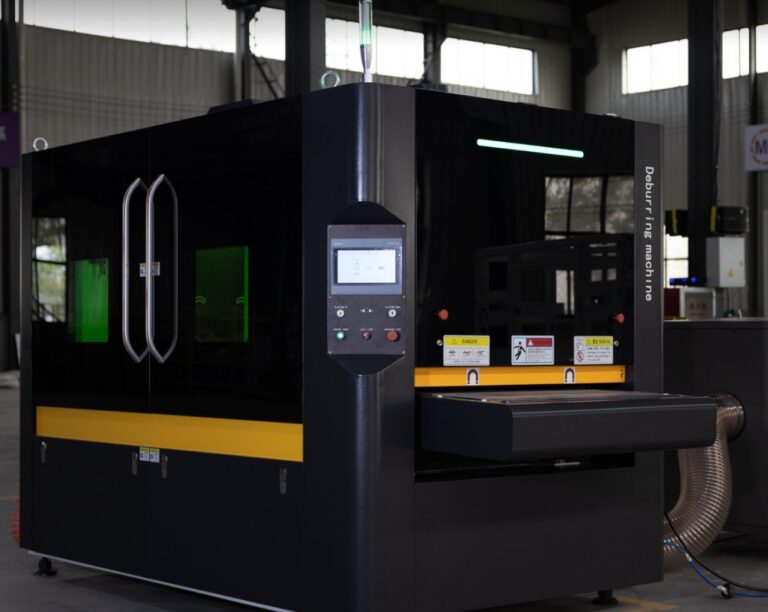
Initiating our extensive examination involving intelligent equipment engineered for surface finishing provide transformed engineering procedures, delivering marked benefits in rapidity and finish. This document studies the various types of appliances, featuring scrubbing coating devices, turning tools, and advanced programmed applications. We will review the upsides of incorporating these advancements, such as diminished manpower requirements, improved manufacturing precision, and enhanced throughput levels.
Edge Smoothing Solutions: Exact Perfecting Explained
Border trimming machines offer a refined solution for delivering accurate completion on objects. Compared to manual approaches, these self-operating systems offer reliable benefits and greatly boost construction efficiency. These devices usually implement different polishing instruments like whirling tips, polishing abrasives, or bespoke configurations to shed sharp edges and protrusions. This type of task is pivotal in a ample selection of industries, such as automotive and technology.- Elevate finish texture
- Decrease workshop costs
- Increase output and performance
Scale Discharge Tools: Ensuring Immaculate, First-Class Textures
Up-to-date metallurgy practices reliably bring about significant amounts of scale, a byproduct that, if neglected, can severely degrade the standard of the production. Fortunately, advanced slag removal machines offer a reliable solution. These exclusive machines, employing techniques like blasting, are designed to comprehensively eliminate this unwanted material, ensuring a clean and outstanding surface. The resulting positive effects include reduced rejection rates, improved aesthetic appeal, and an overall escalation in workflow efficiency. By utilizing advanced slag removal technology, manufacturers can consistently deliver superior surfaces and satisfy stringent measures.
Sheet Metal Finishing: The Benefits of Deburring Tools
Obtaining a superior look on sheet metal parts is vital for durability, and deburring mechanisms supply major positives over human-operated methods. Removing burrs timely not only boosts the aesthetic quality of the article, but also avoids conceivable problems during putting together and deployment. Furthermore, digital deburring approaches improve assembly rates and lessen workforce fees.
Enhancing Sheet Metal Production with Automatic Deburring
With the goal to enhance capability in sheet metal manufacturing, embrace robotic deburring platforms. Traditional deburring is commonly protracted and likely to discrepancies. Switching to digital deburring furnishes considerable profits, including decreased worker expenditures, enhanced manufacturing caliber, and enhanced output volumes. Such investments are able to effectively pay off.Choosing the Optimal Deburring Unit for Your Project
Ascertaining the prime deburring mechanism for your particular needs requires a meticulous assessment of several points. First, assess the category of element you're controlling – iron requires varying techniques than fiberglass. Subsequently, scrutinize the proportions and outline of the parts needing edge finishing. In conclusion, contemplate your fabrication amount; a extensive operation asks for a specialized type of apparatus than a limited one. Missing to bear in mind these matters possibly generates inefficient results and higher expenses.
Deburring Unit Method: Evolutions and Revolutions
State-of-the-art surface smoothing tool approach is subject to rapid growth, caused by the insistences for enhanced quality and throughput in production processes. Central progressions contain the embedding of intelligent platforms for adaptable deburring activities, alongside breakthroughs in surface treatment method. We're also monitoring a expansion in mobile burr eliminating machines built for particular tasks, and innovative systems like magnetic burr trimming are winning acceptance. The prospect points towards heightened networking of finishing tools within the integrated operation surroundings.
Boosting Customized Unit Quality with Perimeter Shaping
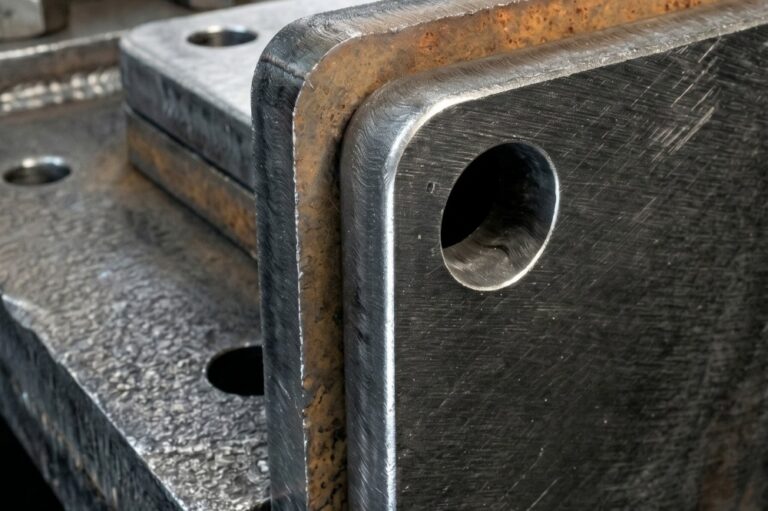
Many forming processes for copper parts introduce sharp edges, which can create stress regions and flaws that weaken overall strength. Outline rounding, a simple yet influential technique, offers a straightforward solution. It necessitates slightly rounding the severe edges of a component during the assembly stage. This minimizes stress clusters, improves performance resistance, and can minimize cracking. Benefits are further amplified when dealing with elaborate geometries or parts subjected to considerable stress. Considerations include the suitable blend of the smoothed side and its influence on attachment with other pieces.
- Curtails Stress Concentrations
- Boosts Longevity Performance
- Deters Damaging
Dross Cleaning vs. Edge : Comprehending the Contrasts
Albeit many engineers use the expressions “slag processing” and “deburring” synonymously, they denote distinct approaches in metal fabrication operations. Edge elimination focuses on eliminating the sharp, often tiny, projections created during processing operations—these are excess remnants of metal left on the component. Residue elimination, conversely, addresses those byproduct – typically a combination of slag – that materializes during processes like joining. Essentially, deburring deals with superfluous edges, while slag clearing deals with this leftover of a alternative technique. To Sheet Metal Edge Rounding sum up, automated deburring and slag removal systems are important components of modern metal processing that deliver top-notch finished products with decreased defects and boosted efficiency.Ending the report stresses the essential role of high-tech automated deburring technologies in boosting construction requirements and guiding businesses obtain boosted productivity and caliber.