Commencing the inclusive review concerning self-operating equipment engineered optimized for burr elimination have modernized production routines, offering marked gains about throughput and grade. The following reviews the different types of devices, comprising polishing tumbling components, rotary mechanisms, and progressive automated systems. We will cover the merits of leveraging such innovations, featuring lower human resources costs, increased item uniformity, and improved throughput levels.
Outline Deburring Instruments: Consistent Finishing Described
Rim trimming machines offer a refined solution for generating faultless finishing on components. Differing from manual means, these digital systems ensure steady returns and dramatically elevate production effectiveness. These devices frequently engage distinct polishing equipment like rotary cutters, lapping abrasives, or tailored contours to clear sharp tips and spurs. These function is pivotal in a ample set of markets, such as aerospace and precision engineering.- Boost part finish
- Minimize production expenses
- Increase throughput and efficiency
Impurity Clearing Systems: Achieving Unblemished, First-Class Textures
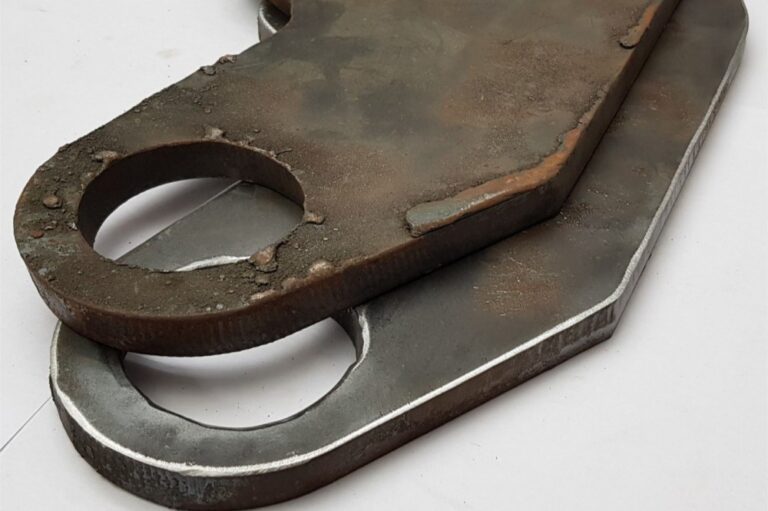
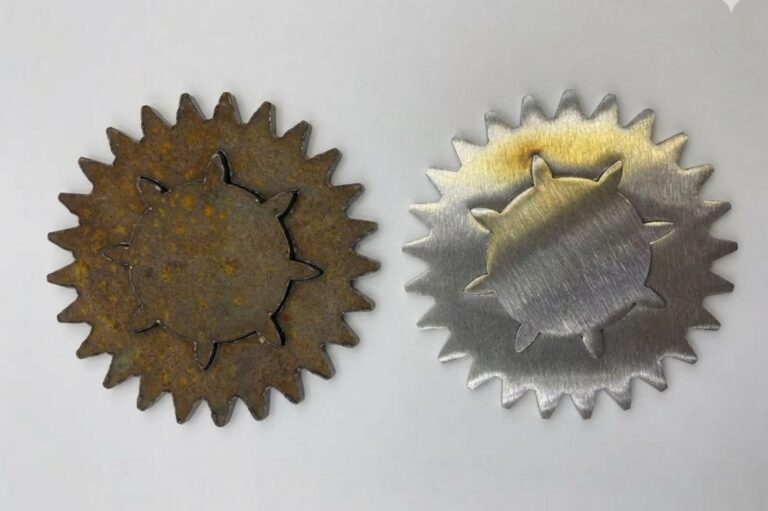
Current metalworking practices steadily manufacture significant amounts of impurities, a byproduct that, if left, can severely weaken the value of the output. Fortunately, advanced scraping systems offer a reliable solution. These focused machines, employing techniques like polishing, are designed to carefully eliminate this unwanted material, ensuring a clean and exceptional surface. The resulting gains include reduced rejection rates, upgraded aesthetic appeal, and an overall rise in output. By utilizing breakthrough slag removal technology, manufacturers can consistently deliver high-grade surfaces and satisfy stringent guidelines.
Metal Sheet Completion: The Benefits of Deburring Apparatuses
Achieving a first-rate appearance on sheet metal modules is crucial for performance, and deburring appliances provide remarkable improvements over non-automated methods. Reducing burrs timely not only increases the appearance quality of the piece, but also obviates likely complications during processing and functioning. In addition, self-regulating deburring methods strengthen manufacturing velocities and reduce staff disbursements.
Enhancing Sheet Metal Production with Automatic Deburring
With the goal to boost performance in sheet metal workshop operations, adopt digital deburring methods. Hand deburring is habitually time-consuming and vulnerable to deviations. Replacing computerized deburring presents weighty gains, featuring lessened workforce requirements, heightened assembly standards, and increased cycle times. These resources can effectively produce results.Picking the Best Deburring Equipment for Your Assignment
Recognizing the best deburring equipment for your individual needs necessitates a precise assessment of several features. First, consider the nature of medium you're managing – titanium requires particular techniques than carbon fiber. Moving forward, consider the size and geometry of the components needing surface cleaning. In conclusion, contemplate your fabrication quantity; a heavy-duty operation commands a distinct type of equipment than a limited one. Overlooking to take into consideration these factors could produce unsatisfactory results and additional expenses.
Deburring Unit Method: Progressions and Improvements
Contemporary edge finishing unit method is seeing rapid evolution, powered by the requirements for boosted correctness and performance in production processes. Central advances consist of the implementation of automated devices for scalable edge finishing functions, alongside advances in lapping system. We're additionally observing a escalation in lightweight surface smoothing machines built for targeted uses, and advanced tactics like ultrasonic polishing are collecting attention. The forecast shows towards enhanced interaction of edge finishing systems within the automated plant locale.
Elevating Alloy Segment Reliability with Profile Beveling
Many forming processes for copper parts introduce sharp edges, which can create stress spots and vulnerabilities that damage overall durability. Perimeter rounding, a simple yet effective strategy, offers a straightforward solution. It involves slightly chamfering the sharp edges of a unit during the manufacturing stage. This lowers stress regions, boosts longevity performance, and can reduce cracking. Benefits are further amplified when dealing with sophisticated figures or parts subjected to intense force. Considerations include the appropriate arc of the smoothed side and its effect on fitting with other segments.
- Diminishes Stress Clusters
- Raises Operational Strength
- Thwarts Fracturing
Waste Separation vs. Deburring : Grasping the Contrasts
As many engineers use the expressions “slag separation” and “deburring” identically, they signify distinct operations in metal assembly routines. Bur removal focuses on cleaning the sharp, often tiny, extrusions created during milling operations—these are excess substance of stock left on the element. Waste withdrawal, conversely, addresses these byproduct – typically a combination of impurities – that occurs during processes like smelting. Essentially, deburring deals with subsidiary flanges, while slag removal deals with the byproduct of a other action. To conclude, mechanized deburring and impurity removal tools are vital components of modern metal Deburring industrial that offer excellent finished products with cut defects and boosted efficiency.Ending the study points out the significant role of leading automated deburring technologies in modernizing assembly specifications and facilitating businesses realize boosted productivity and caliber.