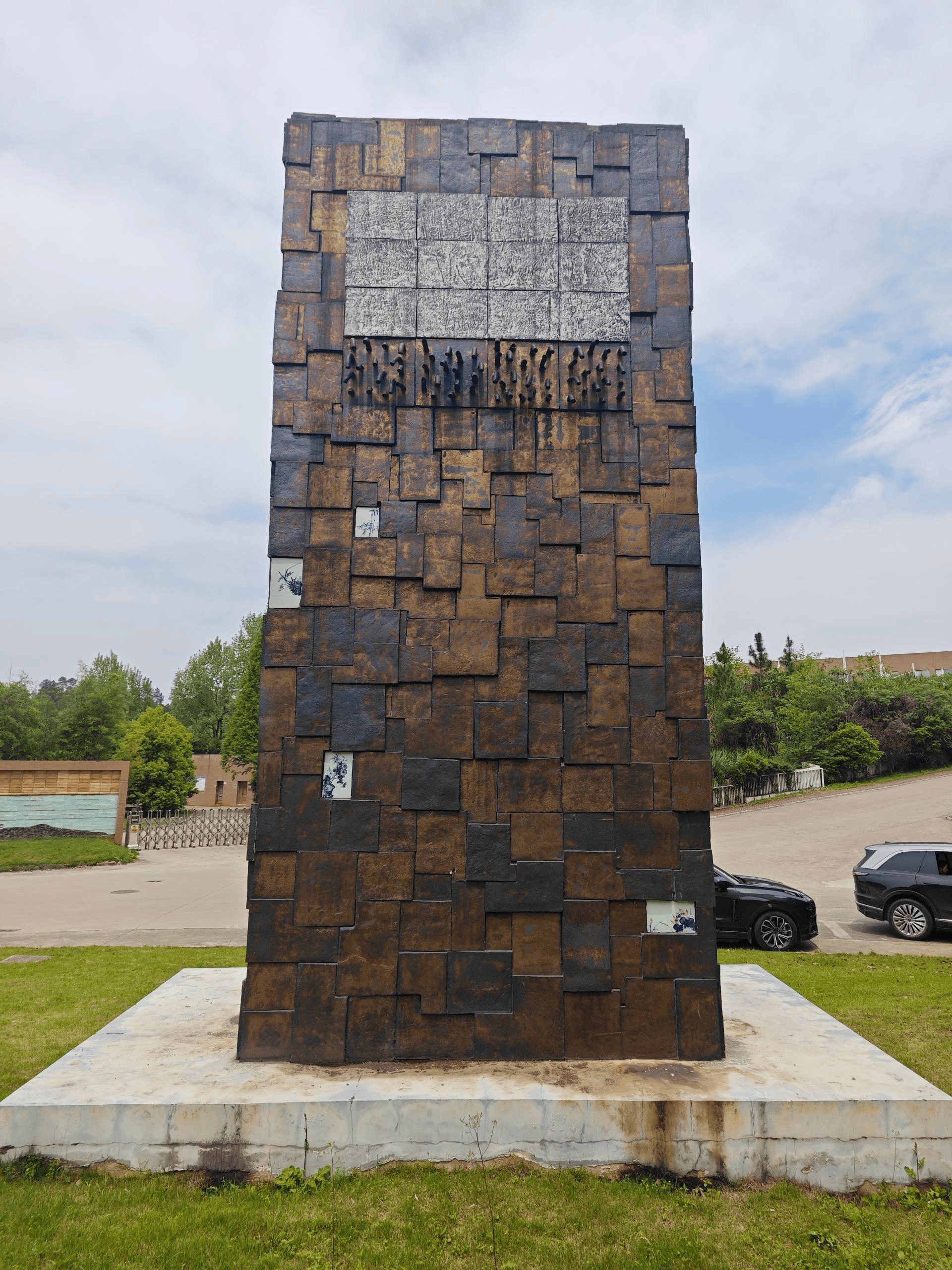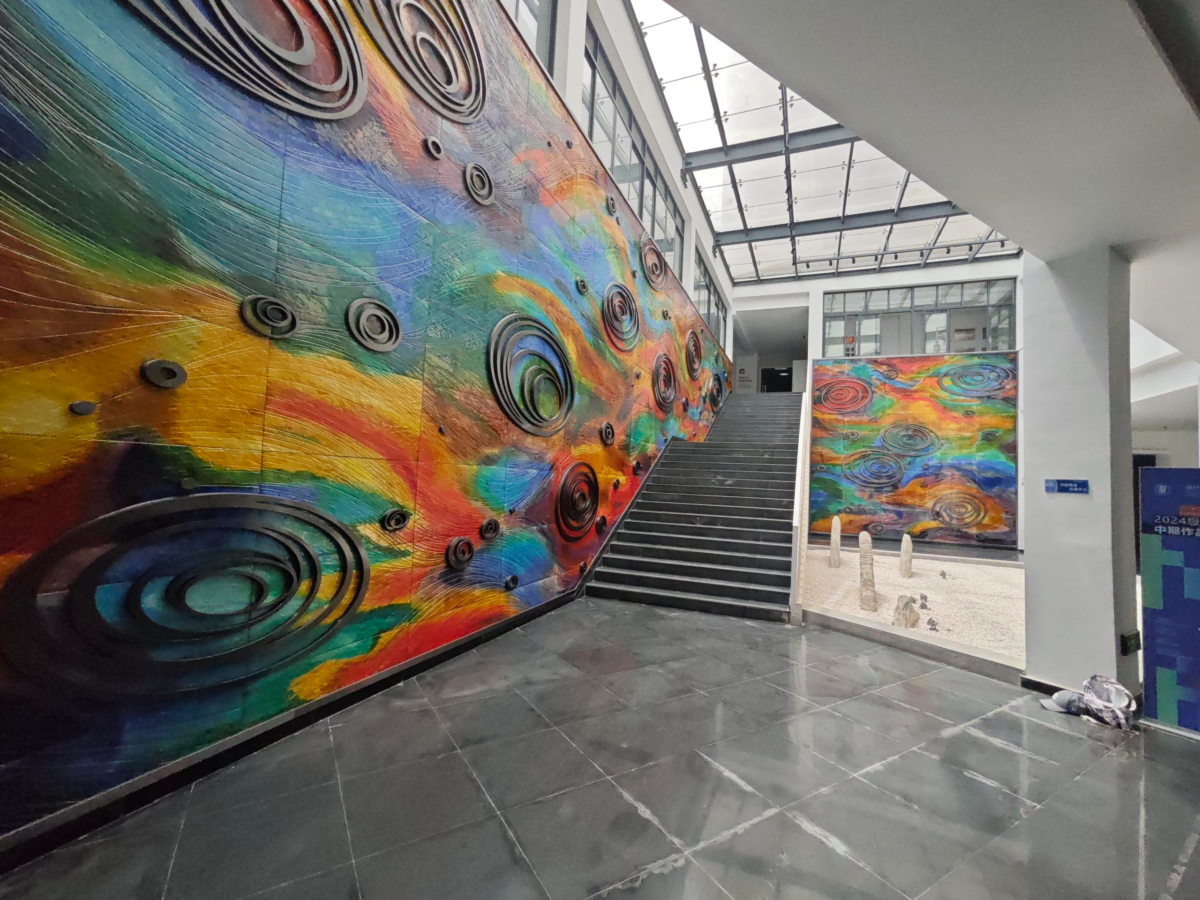
Porcelain creation illustrates a remarkable practice form with a lengthy heritage, extending back innumerable of years. From ancient holders to state-of-the-art displays, the stuff offers unparalleled possibilities for creative demonstration. Builders employ several techniques – including fabricating, wheel spinning, and developed firing processes – to craft humble earth into stunning three-dimensional sculptures. The robustness of fired pottery also contributes to its status as a truly enduring part of human legacy.
Researching Pottery Panel Arrangements and Ways
The sector of ceramic tile design offers a expansive array of inventive possibilities. Makers often engage a blend of traditional and contemporary techniques to construct visually stunning pieces. These can vary from simple, crafted reliefs to complex, multi-layered compositions. Conventional methods include casting, hand crafting, coating application – which can involve numerous techniques like initial glaze painting, surface glaze ornamentation, and sgraffito where designs are revealed by stripping a layer of shell. Expanded inquiry into surface treatments such as raku firing and lustre decoration can yield truly unique and personalized ceramic boards.
- Shape Forming - Generating pieces using a design
- Hand Shaping - Meticulously shaping the soil
- Coating - Covering the exterior with a lustrous finish
- Scraped detail - Showing designs by peeling off finishes
Engaging Experiences: Pottery Art Showcases
The advancing landscape of expression presents exciting fresh avenues for guests, and ceramic art installations are at the pinnacle of this wave. These aren't just static forms; they are assembled to envelop the viewer in a sensory atmosphere. Imagine walking through a forest of towering, finished ceramic trees, or navigating a web of fragile ceramic vessels. Many sculptors are now incorporating sonics, light, and even essence to enhance the effect of their work. Consider the power of a room filled with hundreds of delicately ceramic creations, each telling a anecdote. Commonly, such installations explore themes of wilderness, the past, and the collective.
- The aforementioned installations blur the lines between design and space.
- Viewing a ceramic art installation can be a deeply meaningful journey.
- Producers are expanding the extents of what is feasible with clay.
The Elegance of the Ceramic Jar: Function and Appearance
The brick urn represents a distinctive fusion of applicability and visual appeal. Historically, these jars served a basic function in keeping substances, but their expansion has transformed them into highly valued works of design. Each component showcases the skill of the artisan, demonstrating how contour can be as significant as utility. The conscientious shaping, the special glazes, and the full presence of a masterfully-crafted container can lift a space, offering both allure and a subtle reminder of the designer’s hand.
Current Porcelain Design : Extending Edges
Latest brick art represents a fascinating change from customary practices. Sculptors are actively pushing with fresh tactics, mixing the lines between ceramics and diverse imaginative areas. From immense installations to ornate miniature pieces, these works investigate themes of environment while together transforming the fundamental of what porcelain can manifest. The upshot is a forceful landscape of creative design.
Clay Inscription: Maintaining Tradition in Earth
Clay plaques offer a remarkable method for memorializing significant events and individuals. Compared to traditional metal or stone markers, these resilient pieces of design are formed from hardened clay, creating a physical link to the bygone era. Often, they feature intricate figures or beautifully ceramic cup rendered imagery, portraying stories that might otherwise be disremembered. A technique, stemming from ancient peoples, provides a visually appealing and permanent way to honor our collective record.
- The mentioned can be located in common spaces.
- Numerous are now considered historical wonders.
Terracotta Art Showcases: Changing Areas
Brick art installations are surfacing a influential medium for creators to revise public and private places. These immersive creations frequently involve expansive clay models that hold viewers, modifying their insight of the assembled environment. By employing diverse tactics like hand fabrication and sophisticated firing methods, ceramic artists develop truly remarkable experiences, overlapping the edges between art and location. The consequence is often a stirring metamorphosis that enhances the sensory quality of the setting and initiates exchange.
Outset Turning Device to Wonder: The Method of the Ceramic Jar
The journey of a ceramic jar from a simple lump of clay to a polished work of art is a testament to human talent. Traditionally, the process initiates with the potter’s circular platform, where the adept artisan creates the turning dirt into a cylindrical shape. This preliminary section demands finesse and a acute eye, followed by a delicate hardening period. Once pre-fired, the vase is ready for adornment, which may require painting intricate arrangements, incising detailed scenes, or adding a diversity of coatings. The concluding treating process then transforms the object into a durable and attractive vessel, a tangible embodiment of the craftsman's imagination.
Carving with Earthenware: A Tutorial to Pottery Work
Engaging the landscape of ceramic creation begins with comprehending the cornerstones of molding with clay. This particular procedure demands precisely composing and subtracting substance to construct three-dimensional items. Regardless of you're a amateur or a veteran designer, working with different types of earthenware – like porcelain – will enable you reveal your singular method. Conclusively, stoneware modeling is a enriching path that fuses professional proficiency with original communication.