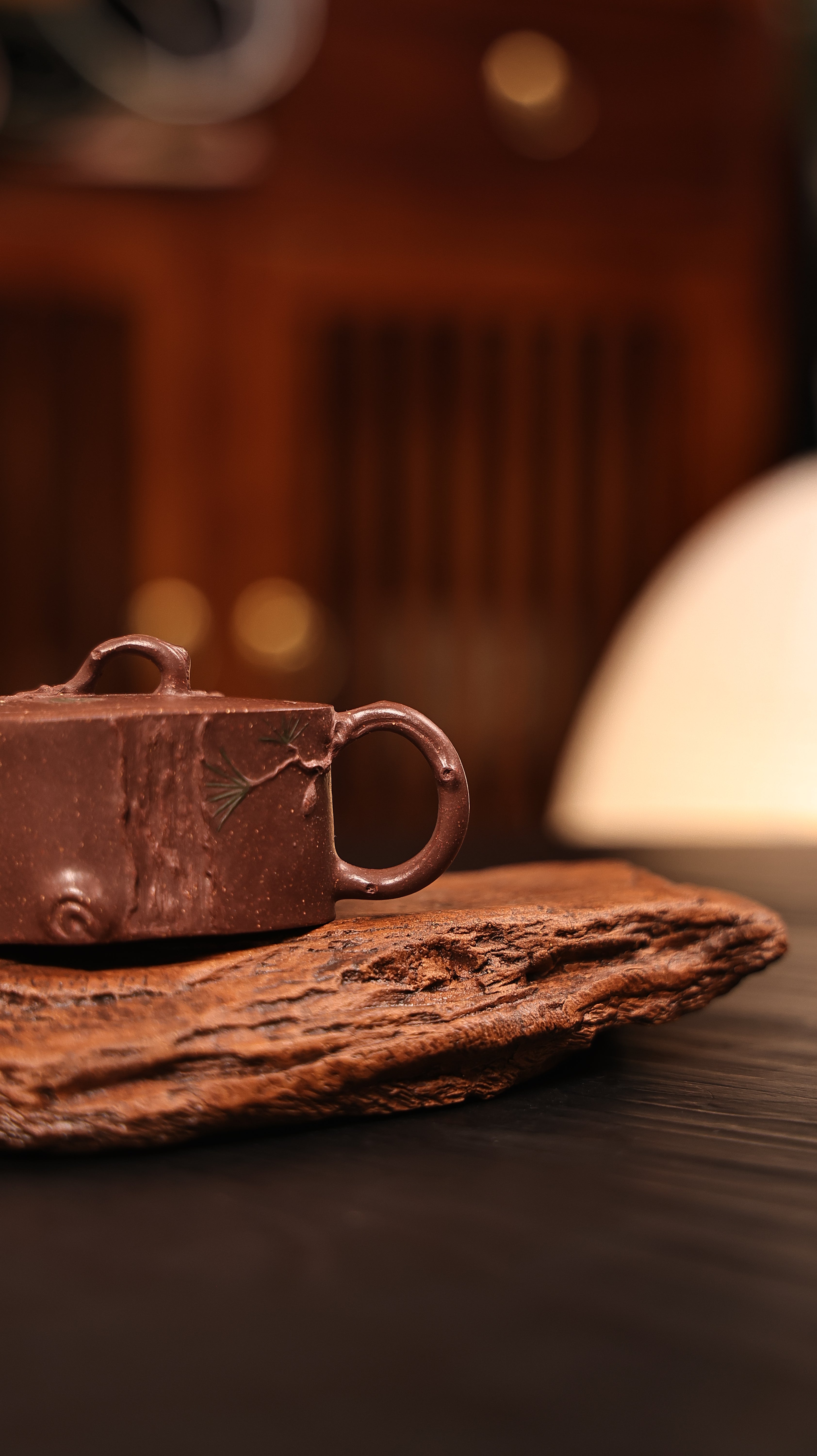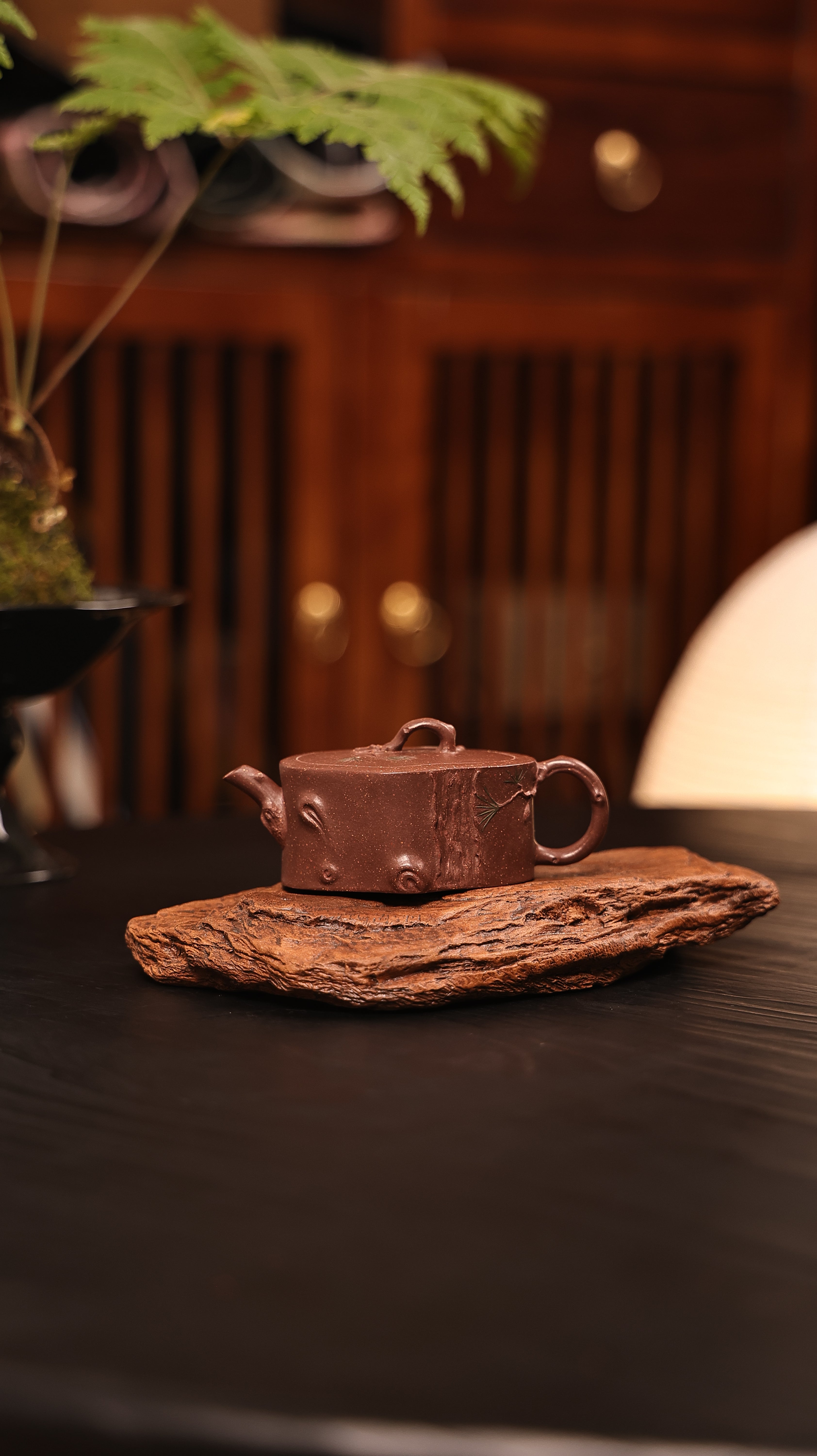
Epochs of connoisseurs have sought the exclusive allure of Yixing Zisha kettles. Emerging in the cozy town of Yixing, the republic, these teapots are made from a exotic and harvested purple clay esteemed for its superior thermal features and capacity to enhance the note of concoctions. More than their utilitarian worth, Zisha teapots reflect a vast heritage tradition, rendering them markedly coveted and a authentic treasure for any enthusiastic teapot appreciator.
Delving into Yixing Pitchers
Historical teapots exhibit a remarkable integration of history and traditional craftsmanship. Originating in Yixing, Jiangsu Territory of China, their narrative stretches the Ming Dynasty, although evidence suggest earlier instances. The special burgundy clay, called Zisha, found specifically in the Yixing region, is the vital component, contributing to the pots' remarkable heat stability and the manner they enhance the essence of tea. Generations of potters have developed techniques—often transmitted through families—including crafting the clay, applying intricate embellishments, and firing the pots at accurate temperatures.- In the past, Yixing teapots were often beautified with simple designs.
- Thereafter, more sophisticated carvings and expressive motifs became common.
- The oven firing itself is a pivotal element, requiring extended spans of knowledge.
Acquiring Zisha Teapots: Vital Considerations
Initiating a campaign to acquire Zisha kettles can be rewarding, but it’s vital to discern what to search for. Authenticity is essential; focus on the clay’s natural shade, a faint reddish-brown is common. Examine the quality; genuine Zisha has a exclusive tactile sensation, often portrayed as slightly coarse. The morphology should be pleasing and consistent with time-honored styles, while inscriptions, if present, require painstaking examination for authenticity. Don’t hold back to consult with qualified consultants or established contacts – their guidance is essential.
Chinese Clay Pots: Examining the Practice of famous Ceramics
Ages have seen Yixing Zisha Clay teapots retain a distinguished role in Chinese custom. These artfully designed pots, sourced uniquely from the district of Yixing, are acclaimed for their characteristic pigmentation, composition, and their ability to improve the aroma of tea. Numerous collectors pursue antique Yixing teapots, regarding them immensely not only for their aesthetic attractiveness, but also for the background they reflect.
Yixing Zisha Teapots: Such Leading Classes and Their Qualities
Yixing Pottery teapots, sourced from the regional locale of Yixing, this nation, are distinguished for their exceptional clay and remarkable brewing powers. Amongst the many Zisha types, certain selections that are highly respected include Tianqing. Binzhou, known for its profound purple shade and even texture, delivers a mild flavor. Duan Ni Zisha, recognizable by its mahogany color and moderately grainy feel, is considered to enhance tea’s substance. Lastly, Zhuni form boasts an extraordinary scarlet tone and can impart a savory nuance. Each class presents a distinct experience, affording them exceptionally desirable for tea enthusiasts.
Understanding Personal Zisha Cup
To realize the beauty of your Yixing jar, comprehending the correct procedure is essential. These clay earthenware, celebrated for their penetrability, will gradually assimilate the character of the tea you create within them. Begin by scrubbing the kettle thoroughly with tepid water. Then, use only top-grade raw leaf tea, as lower quality options can degrade the clay’s delicate qualities. Always let the leaves to extend completely, and remember that with each infusion, your Yixing jar will become steadily refined.
Caring for Your Precious Zisha Collectible
Proper maintenance for your Zisha pitcher is critical to securing its character and merit. Zisha clay, celebrated for its unique shade and Chinese Teapot texture, requires attentive handling. Never use intense chemicals, as these can wreck the glaze. After every employing, rinse the teapot with moderate temperature water and allow it to cool off completely.
- Eschew soaking the urn for extended periods.
- Intermittently use a soft wiping cloth to polish the exterior.
- Deliberate applying a thin layer of food-grade mineral oil inside the vessel after drying, which can avoid staining.
Fundamentals of Yixing Kettles
Yixing pitchers, originating from the Yixing locale in Jiangsu Province, the Chinese territory, are celebrated for their distinctive qualities. Produced from the unique purple material known as Zisha, these pitchers are prized by tea enthusiasts worldwide. This overview will succinctly explain the pillars – covering brands of Zisha earth, frequent shapes, and critical care pointers. Understanding the history of Yixing clay pots can broaden your appreciation for this valued example of Sinic tradition.
Craft of Yuan Vessels: Emphasizing Zisha native to Yixing locality
Zisha compound from Yixing represents the height of Zhongguo earthenware design, showing a exclusive compound of raw beauty and effective artistry. These famous pieces are esteemed for their saturated tints, often encompassing profound purples and orange hues to faint greys and muted beiges. The salient mineral composition of the typical Zisha clay imparts a noteworthy texture and delivers a welcoming aroma that amplifies the aggregate brew experience, enabling them greatly sought-after collectibles and necessary components of any serious custom.