Across the expanse of historic epochs,
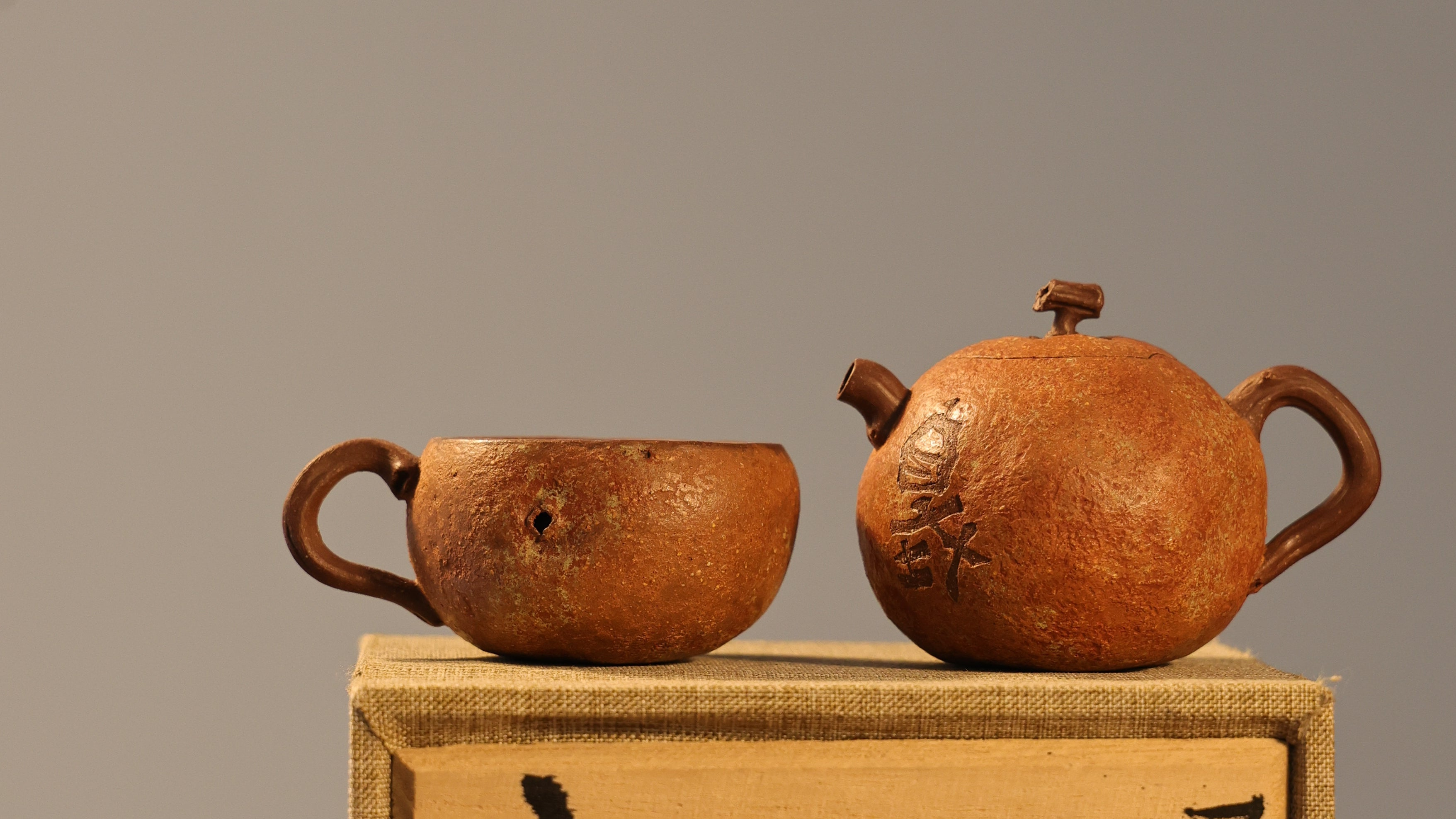
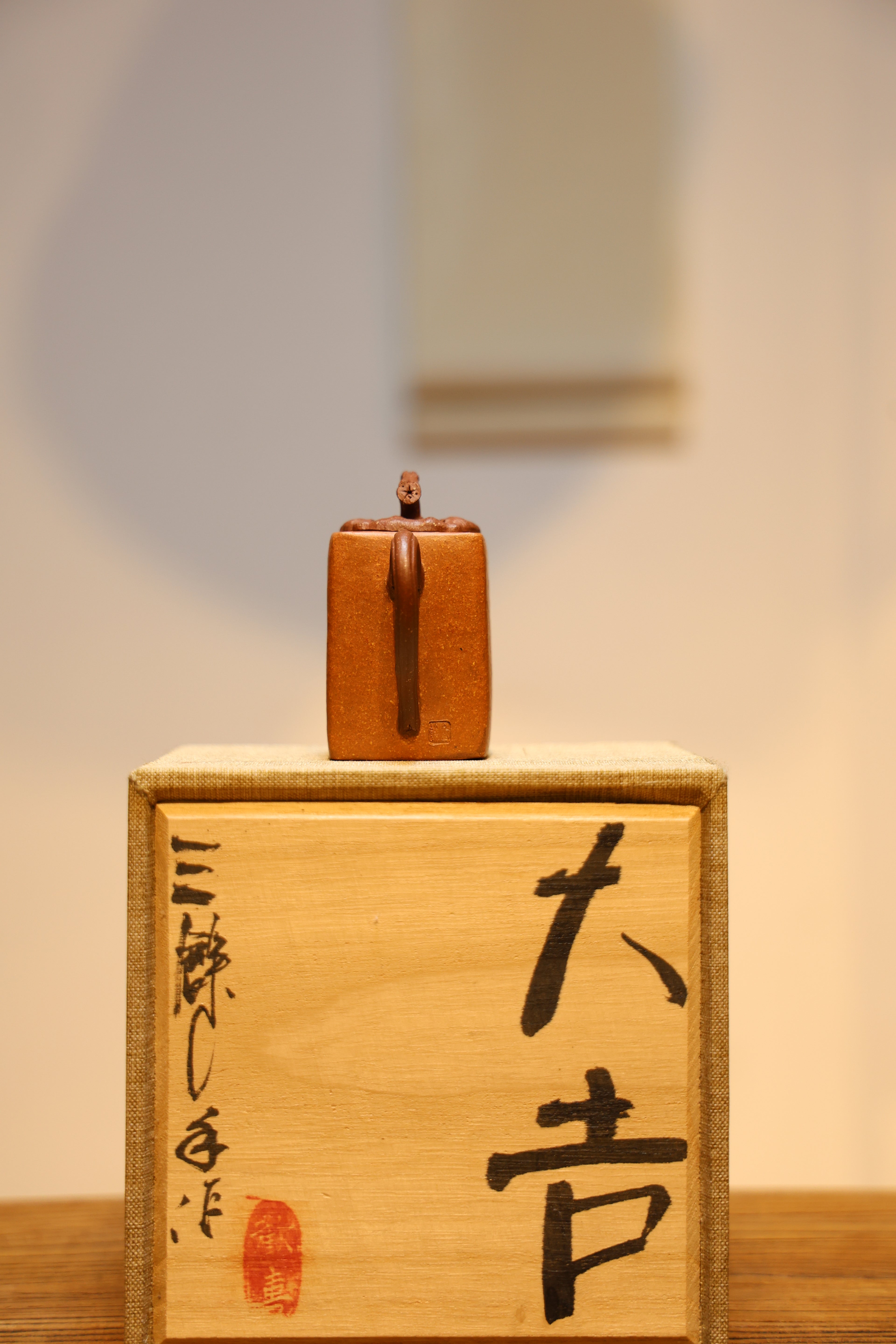
Within centuries, admirers have been engaged by the singular charm of Yixing Zisha containers. Originating from the area of Yixing in China, these wares are renowned for their notable beauty, infrequent clay, and essential ability to boost the palate of the beverage. The substrate's distinctive burgundy hue, combined with the adept creation of local artisans, creates artifacts that are as functional artwork and precious assets. Owning a Zisha teapot is more than just the purchase; it's experiencing a rich cultural heritage.
Understanding Yixing Teapots: Saga, Styles, and Cost
Celebrated Yixing teapots serve as a extensive heritage deeply intertwined with Chinese culture. Emerging in the Yixing region of Jiangsu province, these clay vessels boast a heritage stretching back to the Ming Dynasty. Early examples were functional, but throughout centuries, Yixing teapot forging evolved into an esteemed art form. The clay itself, known for its unique grain and ability to augment the flavor of the tea, remains a defining factor. Yixing teapots come in various kinds, broadly categorized by shape: Established such as Zhuni (purple clay) and Bisheng, as well as advanced designs. The worth of a Yixing teapot centers on several factors, including the potter’s standing, the age of the piece, the rarity of the clay, and its aesthetic charm.- Background: Ming Dynasty
- Element: Different forms
- Pricing Criteria: Rarity
Zisha Claycraft: Skills and Crafters
Unique fabrication of a real Zisha teapot is a complex process, requiring extensive times of proficiency. Master artisans meticulously procure the highest quality Zisha clay, a singular earth found only in specific regions of China. Conventional techniques, often inherited through families, involve detailed shaping, delicate carving, and unhurried firing in ancient fireplaces. The final teapot isn't merely a holder; it's a testament to artistic vision and the serious connection between the artist and their inheritance. Each item showcases the singular touch of the potter, resulting in a truly singular work of craft.
Classical Ceramics: Surveying the Deep Practices of the Yixing Region
Historic Yixing, situated in Jiangsu the district, is globally renowned for its exceptional earthenware – a tangible representation of centuries of Chinese artisanry. These aren't merely vessels for steeping tea; they Yixing Zisha Teapot are intricate works of expertise, often reflecting philosophical ideals. This unique purple clay, known as Zisha, possesses singular qualities: this material dense, absorbent, and imparts a subtle nuance to the tea.
- Several households have honed the techniques of Yixing container making, passing down traditional methods through lineages.
- Fans prize these pieces for their beauty and infrequency.
- Various piece tells a history, connecting the imbiber to a rich lineage.
Exploring Yixing Zisha: What to Look For
At the time of studying purchasing Yixing Zisha clayware, numerous parameters command careful attention. To begin with, the soil's tint is key; authentic Zisha conventionally exhibits a pronounced reddish-brown shading. In addition, scrutinize the skill; sharp elements and a silky layer show adept craft. Concluding, consider the artist’s history; celebrated names fetch greater values and often offer a more investment.
Zisha Pot Techniques for Tea Brewing
Infusing savory tea with a Zisha urn is more above a simple procedure; it's an discipline. Zisha clay, celebrated for its unique mineral composition, imparts a elegant character to the crafted tea that’s often deficient with other utensils. The optimal water warmth is essential; typically, lower than what's used for black tea, to protect the tea's odor and note. Consider meticulously the tea variety; delicate green teas or aged pu-erhs advance from the Zisha’s ability to lessen their original edge. It’s vital to rinse the teapot earlier than brewing, and to exclude over-steeping. Mastering this skill leads to a authentically exceptional tea experience.
- Realizing Zisha Clay
- Water Warmth & Kind of Tea
- Significance of Pre-heating
Caring for Your Famous Pot
In order to preserve the endurance of your prized Yixing ceramic pot, systematic servicing is vitally necessary. Eschew using soapsuds; instead, gently purify it with lukewarm H2O. Refrain from sudden fluctuations; don't position the clay pot directly onto a burning burner. Periodically, strengthen the vessel by filtering it with excellent refined infusion, as this improves to build its quality and preserves the special charm of the element.
Concerning Substance to Vessel: The Course of a Zisha Container
A creation of a Zisha teapot is a intriguing system, a testament to both the globe's bounty and the skill of the maker. It launches with the careful extraction of the singular clay from the plum Zisha mines around Yixing. This virgin material, known for its superlative characteristics, is then carefully distilled and ready for the original forming. The urn’s shape is adeptly built using a concoction of ancient modeling systems, often incorporating sophisticated patterns. Following maturing, the urn undergoes a paramount first firing, followed by a coating stage, which might involve several different layers of authentic Zisha films. Finally, a second, and sometimes third, firing at high temperatures completes the artifact, revealing its perfected beauty and superlative characteristics - a honest masterpiece, ready to enhance a tea ritual.
{Yixing Teapots: A Token of the Custom and Tribute
Legendary Yixing teapots, originating from the noted Yixing region of Jiangsu province, are far more than mere jars for brewing tea; they represent a profound aspect of Chinese customs. Made from distinctive purple clay – zisha – these exceptional teapots are highly treasured for their ability to complement the flavor of the tea and, crucially, for their artistic merit. The tradition of Yixing teapot making spans centuries, and the expertise involved is transmitted through generations, making each teapot a masterpiece that embodies long-established techniques and a profound appreciation for the refined pleasures in life.