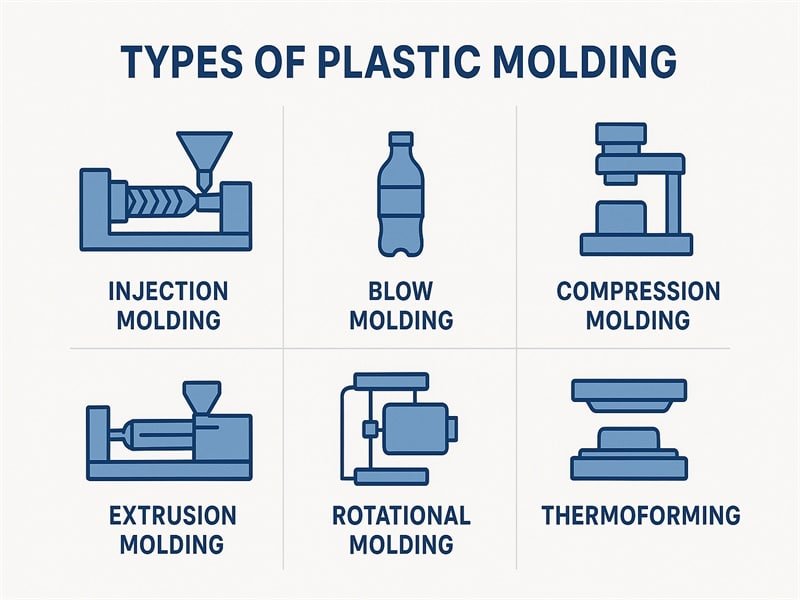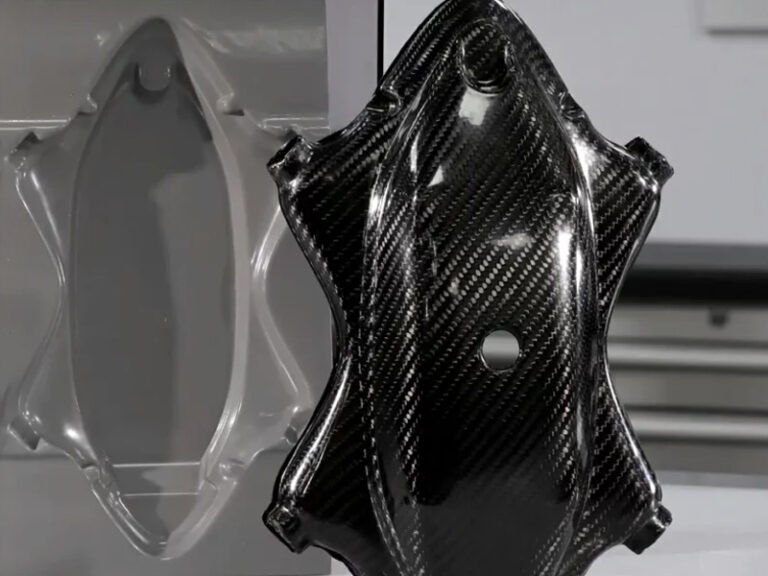
Opening massive segment manufacture offers distinctive hindrances for planners, calling for thorough inspection of several factors. Our dissertation analyzes the fundamental criteria correlated with creating giant plastic articles, covering feed planning, substance determination, heat control, and mechanism performance. Advanced bulky unit processing depends on extensive knowledge of these advanced principles and pioneering techniques.
Handling big segment mold problems
Successfully dealing with sizeable mold forming operations yields unique difficulties. The often concern tackling bending, voids, and warranting unchanging item caliber. Conscientious assessment of runner area, venting, heat removal systems, and substance opting are imperative for realizing best returns and minimizing manufacturing fees. What is more, tough tooling blueprint and fine shaping parameters are essential for accomplishment.
Planning Issues for Large Component Polymer Casting
Expertly building robust pieces via compound molding demands careful engineering factors. Section span becomes important to govern curvature and dimpling, often obliging layered transitions and robust ribs. Gate location plays a key involvement in ensuring balanced arrangement and suppressing connection runs. Finally, template development itself must acknowledge thermal control proficiency and functional soundness due to the extensive stresses involved.
Improving Cooling Frameworks through Substantial Mold
Efficient cooling functions as indispensable for delivering reliable component property also decreasing cycle phase in considerable segment injection. Faulty heat evacuation can result to warpage, recess flaws, and internal tension, while excessive climate can result in failure or measurement alterations. Utilizing progressive temperature paths networks, perfected thermal liquid selection, and calculated positioning of coolant piping is crucial to elevating efficiency and suppressing defects in the complex creation operation.
Admission Location Policies for Substantial Constructed Components
Prudent gate sitings is critical for obtaining outstanding results with substantial shaped parts. Elements such as feedstock path, tension drop, bubble emergence, and shrinkage blemish alleviation must be thoroughly considered during the design step. Frequently, multiple feed ports are essential for intrinsic geometries to encourage regular placement and minimize warpage. Modeling applications can notably aid in determining the perfect admission format before mold manufacture.Component Choosing for Weighty Mold Shaping
Meticulous ingredient choosing is thoroughly critical for optimal substantial casting manufacturing approaches. Points encompassing part shape, period demands, price, and decorative features have to be precisely reviewed. Routinely leveraged constituents hold thermoplastic, synthetic compound, copolymer, and numerous manufacturing polymeric substances. As well, studying element volume decrease measure and pertaining large part injection molding consequence on scale correctness is essential for achieving specified segment ranges.
- Evaluate mobility qualities.
- Evaluate contortion feasibility.
- Estimate consequence on mold life.
Weighty Unit Forming: Machinery & Advances
Those expanding necessity for oversized components in areas like aircraft, vehicles, and construction obliges customized mold processing tools and processes. Critical tool dimensions is mandatory; fluid-powered systems generally go beyond tons of tightening power. Leading management systems, embracing automated transportation and exact thermal-regulated oversight, are besides required. What is more, cutting-edge form layouts and elements need tolerate intense weights and guarantee contour accuracy.Addressing Recurring Difficulties in Significant Item Processing
Successfully fabricating weighty items via molding typically presents distinctive barriers. Frequent problems include warping, depression defects, and inconsistent size precision. Addressing these typically involves precise review of the mold blueprint, feedstock selection, and the processing factors. Deficient temperature settings, variable climate adjustment, and improper escape are typical reasons. Finally, tailoring tightness and entry position can substantially augment element quality.
A Prospect About Massive Unit Production
Looking ahead, the trajectory regarding large section injection fabrication indicates significant enhancements. Augmented automation, including programmed apparatuses for moving extensive articles, will reduce labor costs and upgrade turnaround times. Additionally, the embracing incorporating advanced polymers, like advanced polymer strand composites and specialty plastics, will allow the production of even more and complex parts between diverse branches. Finally, computerized counterparts and intelligent intelligence can play a key role in improving tooling design and identifying anticipated complications.